
Washing Machine Repairs: A Comprehensive Guide
Common Washing Machine Problems
Washing machines can run into all sorts of issues, including:
- Leaking: If you notice water pooling around your machine, there could be a leak.
- Not Draining: When water doesn’t drain properly, your clothes might come out dripping wet.
- Shaking & Vibrating: If your washer is bouncing around during the spin cycle, it might be unbalanced.
- Noisy Operation: Strange sounds like banging or squeaking could signal a mechanical issue.
- Failure to Start: Sometimes, your washing machine just won’t turn on at all.
Some problems are simple; others need a qualified technician. Our team provides clear diagnostics, quality parts, and dependable repairs to get your washer back to its best.
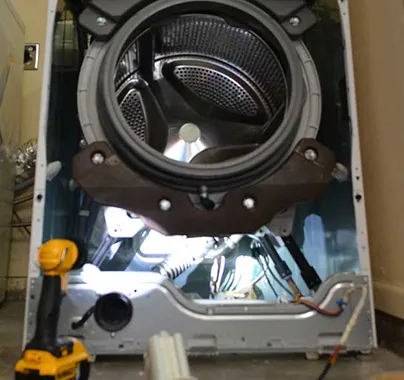
Safety Precautions
Before attempting any DIY washing machine repair, follow these safety steps:
- Unplug the Machine: Always disconnect it from the power source to avoid electrical hazards.
- Turn Off the Water Supply: Shut off the water valves to prevent leaks.
- Wear Safety Gear: Use gloves and safety goggles if needed.
- Work on a Flat Surface: Make sure the machine is on a stable, level surface to prevent tipping over.
Washing machine troubles can be frustrating, but with the right know-how and tools, many of them can be fixed.
Tools & Materials
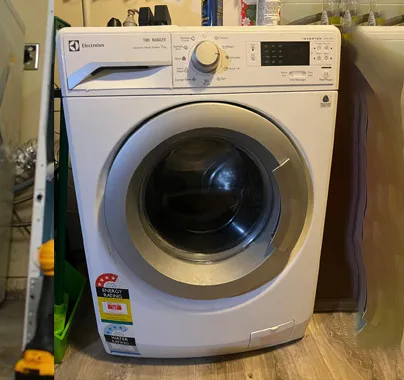
Gather these essential tools and materials before starting any repair:
- Adjustable wrench
- Pliers
- Screwdrivers (flathead and Phillips)
- Bucket
- Towels or rags
- Replacement parts (if necessary)
We will provide all the essential tools during our services.
Step-by-Step Guide to Washing Machine Repairs
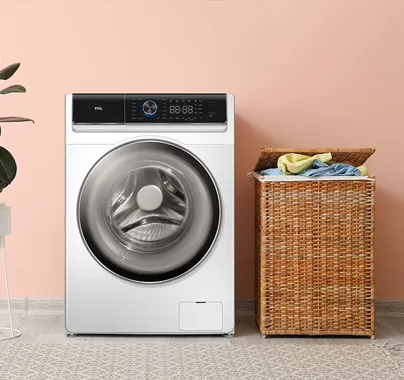
Follow these steps to identify basic issues and decide whether it’s a DIY fix or time to call our technicians.
A. How to Fix a Leaking Washing Machine
- Unplug the machine and turn off the water supply.
- Inspect hoses and connections for damage.
- Replace damaged hoses or tighten loose connections.
- Reconnect everything and test the machine.
B. Troubleshooting Washing Machine Not Draining
- Check for clogs in the drain hose or pump filter.
- Remove obstructions and test the machine.
C. Solving Washing Machine Shaking and Vibrating
- Ensure the machine is level on the floor.
- Adjust the leveling feet.
- Check for overloaded or unbalanced loads.
D. Repairing a Noisy Washing Machine
- Identify the source of the noise.
- Tighten loose parts or replace worn components like bearings or belts.
E. Fixing Washing Machine That Won't Start
- Check power connections and fuses.
- Inspect the door latch for proper closure.
- Test the machine after resolving issues.
When to Call a Professional
While DIY repairs can solve many problems, you should contact a professional technician if:
- The problem is beyond your technical expertise or comfort level.
- The washing machine is still under manufacturer warranty.
- The repair involves electrical components or complex internal parts.
- The issue returns after a DIY attempt.
Preventive Maintenance Tips
Extend the life of your washing machine and avoid costly repairs with these simple but effective habits.
- Regularly clean the drum and lint filter.
- Use the correct detergent and avoid overloading.
- Periodically inspect hoses and connections for wear.
In Conclusion
In this guide, we’ve given you the knowledge to confidently tackle common washing machine issues. Always prioritise safety, use the right tools, and recognise when it’s time to call in the experts.
At CTS Appliance Repairs, we’re here for everything beyond the basics. With regular maintenance and prompt attention to issues, you’ll keep your washing machine running smoothly for years.
Send Us Your Enquiry
Have a question or need to schedule a repair? Fill out the form below to get in touch with us.