
Dishwasher Repairs: A Comprehensive Guide
Common Dishwasher Problems
Dishwashers can experience various problems, such as:
- Won’t Drain: Water remaining at the bottom of the dishwasher after a cycle can be due to a clogged drain, a blocked filter, or a malfunctioning drain pump.
- Leaking: Leaks may be caused by damaged door seals, faulty hoses, or improper installation.
- Dishes Not Getting Clean: If your dishes come out dirty, it could be due to a blocked spray arm, inadequate water pressure, or improper detergent use.
- Won’t Start: A dishwasher that doesn’t start may have electrical issues, faulty door latches, or problems with the control panel.
- Noisy Operation: Strange noises like grinding or rattling can result from issues with the pump, motor, or internal components.
Many of these problems can be resolved with the right knowledge and tools.
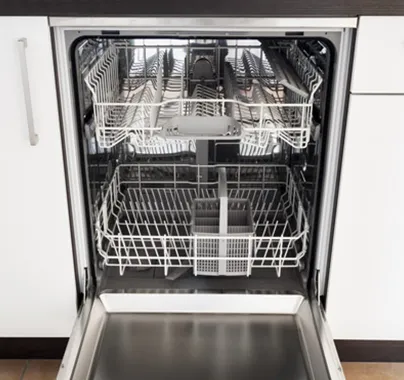
Safety Precautions
Before attempting any DIY oven repair, follow these safety steps:
- Unplug the Dishwasher: Disconnect the dishwasher from the power supply to prevent electrical hazards.
- Turn Off the Water Supply: Ensure the water supply to the dishwasher is off to avoid leaks or flooding.
- Wear Safety Gear: Use gloves to protect your hands from sharp components and safety glasses to shield your eyes.
- Avoid Wet Areas: Ensure the area around the dishwasher is dry to prevent slips and electrical hazards when working with water leaks.
Dishwasher troubles can be frustrating, but with the right know-how and tools, many of them can be fixed.
Tools & Materials
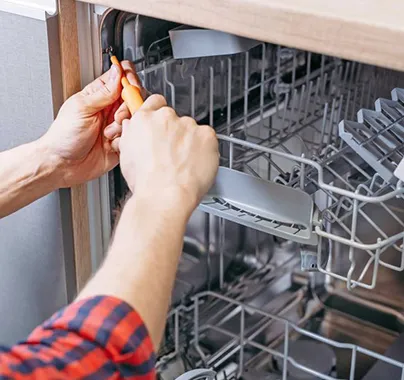
Gather these essential tools and materials before starting any repair:
- Adjustable wrench
- Pliers
- Screwdrivers (flathead and Phillips)
- Towels or Rags
- Multimeter (for electrical troubleshooting)
- Replacement parts (if necessary)
We will provide all the essential tools during our services.
Step-by-Step Guide to Dishwasher Repairs
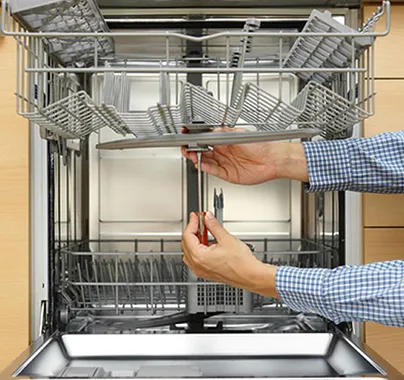
Follow these steps to identify basic issues and decide whether it’s a DIY fix or time to call our technicians.
A. Fixing a Dishwasher That Won’t Drain ?
- Inspect the drain filter for food particles or debris, and clean it thoroughly.
- Ensure the hose is not kinked or blocked.
- If the pump is malfunctioning, replace it with a compatible part.
B. Resolving Leaking Issues
- Check for wear and tear on the door gasket and replace it if necessary.
- Look for cracks or loose connections in the water inlet and drain hoses.
- Ensure the appliance can prevent leaks during operation.
C. Addressing Dishes Not Getting Clean
- Remove any food debris or mineral deposits from the spray arms.
- Ensure adequate water pressure for proper cleaning by checking the water inlet valve.
- Make sure you are using the appropriate amount of detergent for optimal cleaning performance.
D. Repairing a Dishwasher That Won’t Start
- Ensure the door is properly closed and the latch is functioning correctly.
- Use a multimeter to check if the control panel is receiving power.
- If the fuse is blown, replace it to restore functionality.
E. Fixing a Noisy Dishwasher
- Noise could indicate a problem with the motor or pump. Replace any faulty parts as necessary.
- Tighten any loose screws or components that could be causing the noise.
- Ensure that there are no foreign objects trapped in the dishwasher’s filter or spray arms.
When to Call a Professional
While DIY repairs can solve many problems, you should contact a professional technician if:
- The problem is beyond your technical expertise or comfort level.
- Your dishwasher is still under warranty.
- There are electrical or plumbing issues that you’re uncomfortable handling.
- Persistent problems continue after attempting repairs.
Preventive Maintenance Tips
Extend the life of your oven and avoid costly repairs with these simple but effective habits.
- Remove food particles from the filter to avoid clogs and improve drainage.
- Check for wear on seals and hoses, replacing them if necessary to prevent leaks.
- Run hot water through the machine periodically to clear out any buildup.
- Always use dishwasher-approved detergents to avoid residue build-up and ensure optimal cleaning.
- Ensure the spray arms are free of blockages to maintain effective cleaning performance.
In Conclusion
This comprehensive guide provides essential tips for diagnosing and fixing common dishwasher issues. By following safety precautions, using the proper tools, and maintaining your dishwasher regularly, you can extend its life and ensure it functions efficiently. For more complicated repairs or ongoing issues, trust CTS Appliance Repairs – to provide expert assistance and restore your dishwasher to perfect working order.
At CTS Appliance Repairs, we’re here for everything beyond the basics. With regular maintenance and prompt attention to issues, you’ll keep your washing machine running smoothly for years.
Send Us Your Enquiry
Have a question or need to schedule a repair? Fill out the form below to get in touch with us.