
Dryer Repairs: A Comprehensive Guide
Common Dryer Problems
Dryer can experience various problems, such as:
- Not Heating: If your dryer isn’t producing heat, it might be due to a faulty heating element, thermal fuse, or thermostat.
- Noisy Operation: Loud noises such as banging or squeaking can indicate worn-out drum rollers, a damaged belt, or foreign objects in the drum.
- Drum Won’t Spin: A non-spinning drum could result from a broken drive belt, faulty motor, or worn drum bearings.
- Overheating: Excessive heat can be caused by a clogged vent, a malfunctioning thermostat, or a failing heating element.
- Clothes Take Too Long to Dry: Inefficiency in drying can occur due to a blocked vent, a worn-out heating element, or an overloaded dryer.
These problems can disrupt your cooking plans, but many can be resolved with the right knowledge and tools.

Safety Precautions
Before attempting any DIY oven repair, follow these safety steps:
- Unplug the Dryer: Disconnect the appliance from the electrical outlet to prevent electrical shocks.
- Empty the Dryer: Remove clothes and lint from the dryer to access internal components and avoid contamination.
- Wear Safety Gear: Use gloves and safety goggles to protect yourself from sharp parts and debris.
- Clear the Area: Ensure the workspace is dry and free from any flammable materials or clutter.
Eelctric Oven troubles can be frustrating, but with the right know-how and tools, many of them can be fixed.
Tools & Materials
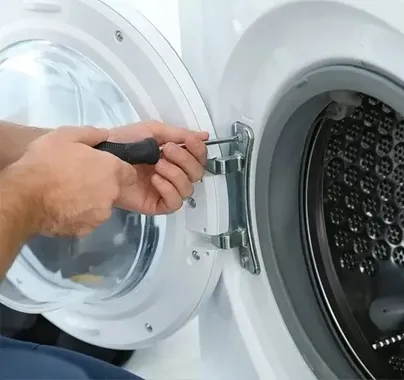
Gather these essential tools and materials before starting any repair:
- Adjustable wrench
- Pliers
- Screwdrivers (flathead and Phillips)
- Towels or Rags
- Replacement parts (if necessary)
We will provide all the essential tools during our services.
Step-by-Step Guide to Dryer Repairs
Follow these steps to identify basic issues and decide whether it’s a DIY fix or time to call our technicians.
A. Fixing a Dryer That Isn’t Heating
- Ensure the dryer is plugged in and the circuit breaker is not tripped.
- Test the heating element for continuity and replace it if it’s faulty.
- Check the thermostat for proper function and replace it if needed.
B. Resolving Noisy Operation
- Inspect and replace worn-out drum rollers that may be causing noise.
- Look for damage or wear in the belt and replace it if necessary.
- Clear any objects caught in the drum that might be causing unusual sounds.
C. Repairing a Drum That Won’t Spin
- Check the drive belt for breaks or wear and replace it if broken.
- Test the dryer motor for proper operation and replace it if it’s malfunctioning.
- Inspect the drum bearings for wear and replace them if needed.
D. Addressing Overheating
- Remove lint from the vent system and ducts to improve airflow.
- Check the thermostat for correct temperature regulation and replace it if faulty.
- Ensure the heating element is not damaged or malfunctioning.
E. Fixing Clothes That Take Too Long to Dry
- Remove lint from the trap to improve air circulation.
- Ensure the venting system is not blocked and allows proper airflow.
- Test the heating element and replace it if it’s not heating properly.
When to Call a Professional
While DIY repairs can solve many problems, you should contact a professional technician if:
- The problem is beyond your technical expertise or comfort level.
- The dryer is still under warranty.
- You’re uncomfortable with electrical or complex repairs.
- The issue returns after a DIY attempt.
Preventive Maintenance Tips
Extend the life of your oven and avoid costly repairs with these simple but effective habits.
- Regularly clean the lint trap to ensure efficient drying.
- Check and clean the vent system periodically to prevent blockages.
- Inspect the drive belt regularly for signs of wear.
- Ensure the dryer area is dry to prevent electrical hazards and mould growth.
In Conclusion
This guide offers practical advice for addressing common dryer problems. Follow the safety precautions, use the right tools, and perform regular maintenance to keep your dryer running efficiently. For complex issues or persistent problems, rely on CTS Appliance Repairs for expert assistance and enjoy hassle-free drying.
At CTS Appliance Repairs, we’re here for everything beyond the basics. With regular maintenance and prompt attention to issues, you’ll keep your washing machine running smoothly for years.
Send Us Your Enquiry
Have a question or need to schedule a repair? Fill out the form below to get in touch with us.